Byron Drysdale Is Reworking The Game
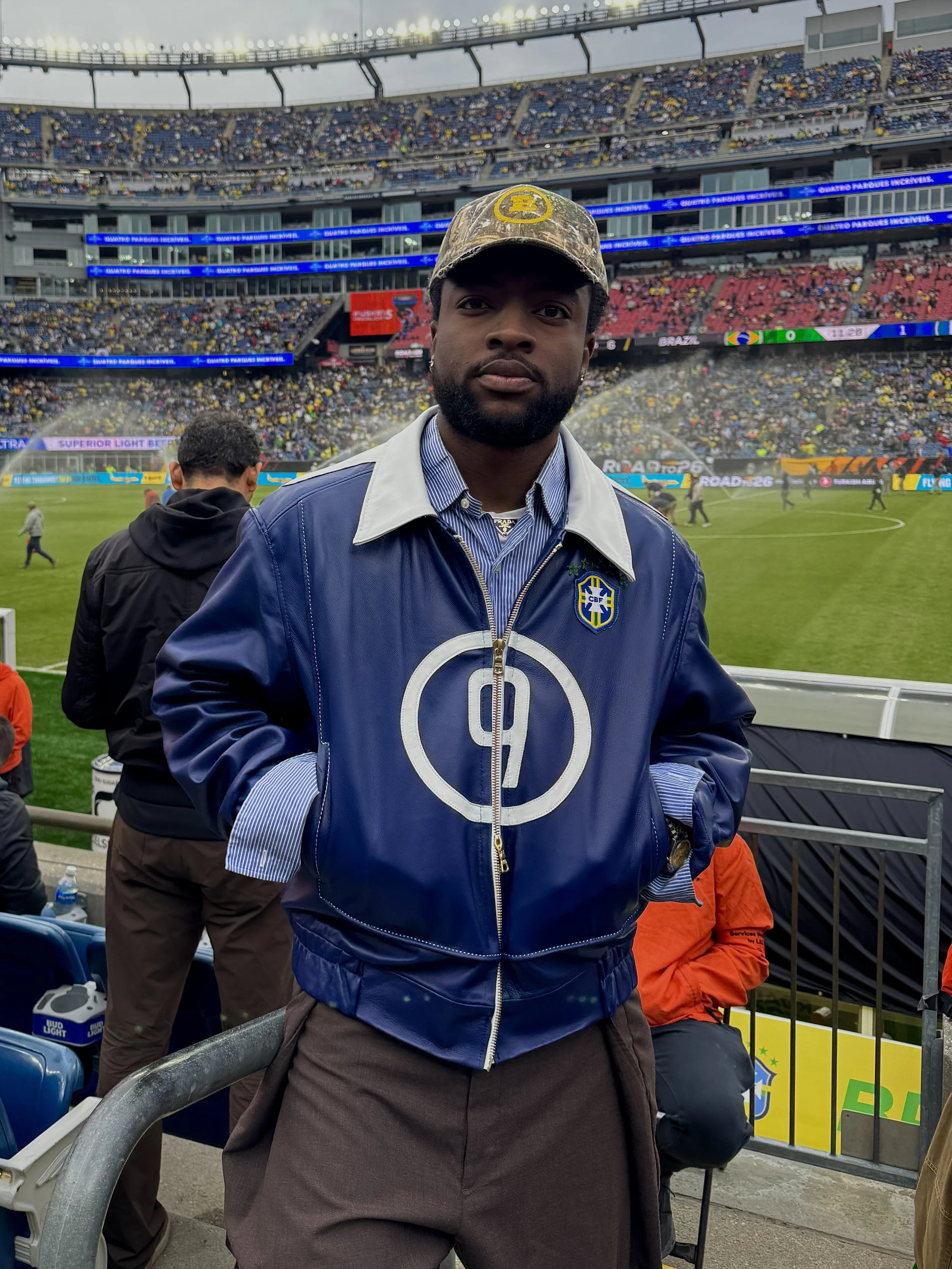
Designer Byron Drysdale on upcycling kits, everyday inspiration, and turning football culture into something entirely new.
Can you introduce yourself and what you create, in your own words?
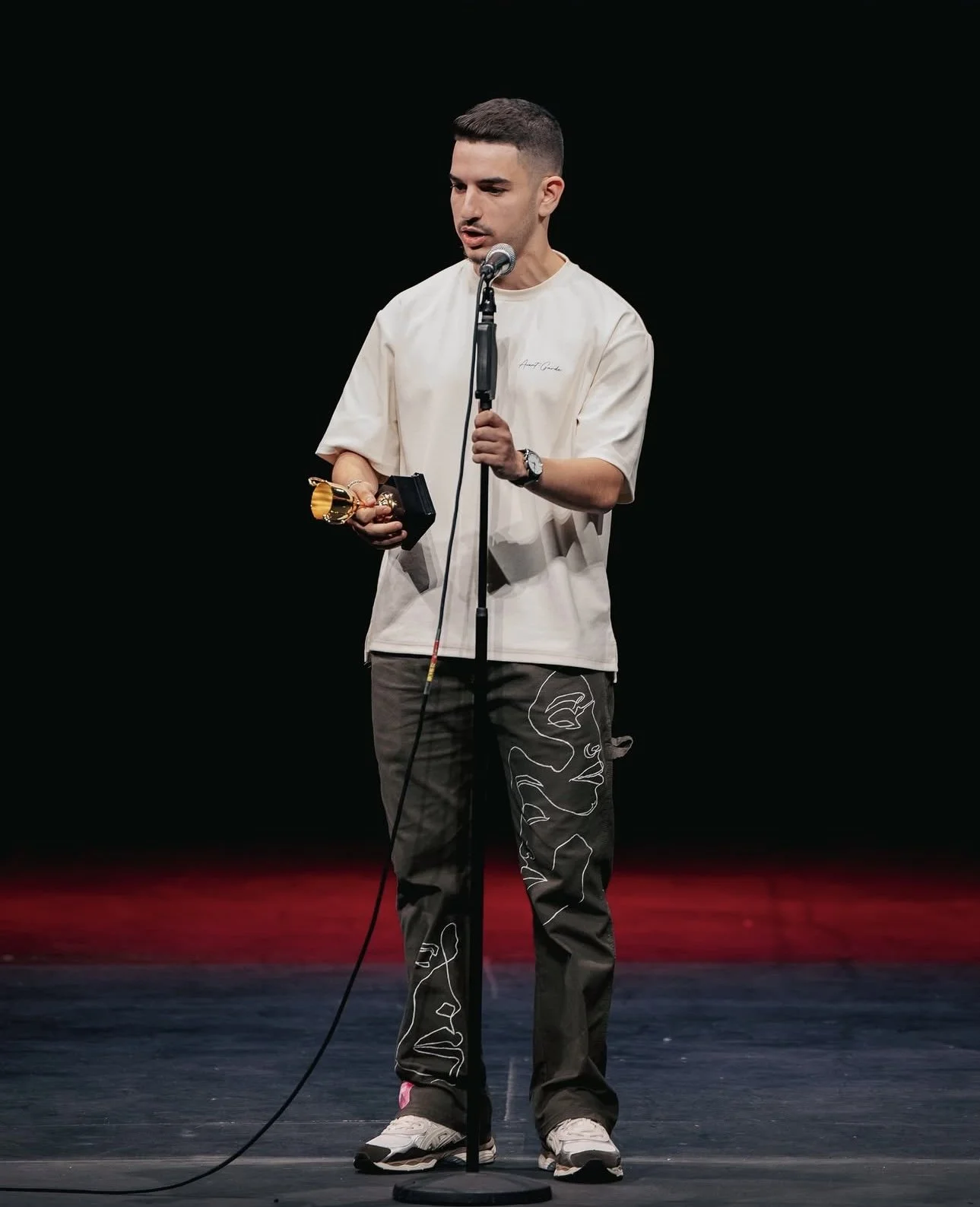
My name is Byron Drysdale and my brand is BY:DRYSDALE — like how a book says “by: [author],” but it also plays on my name.
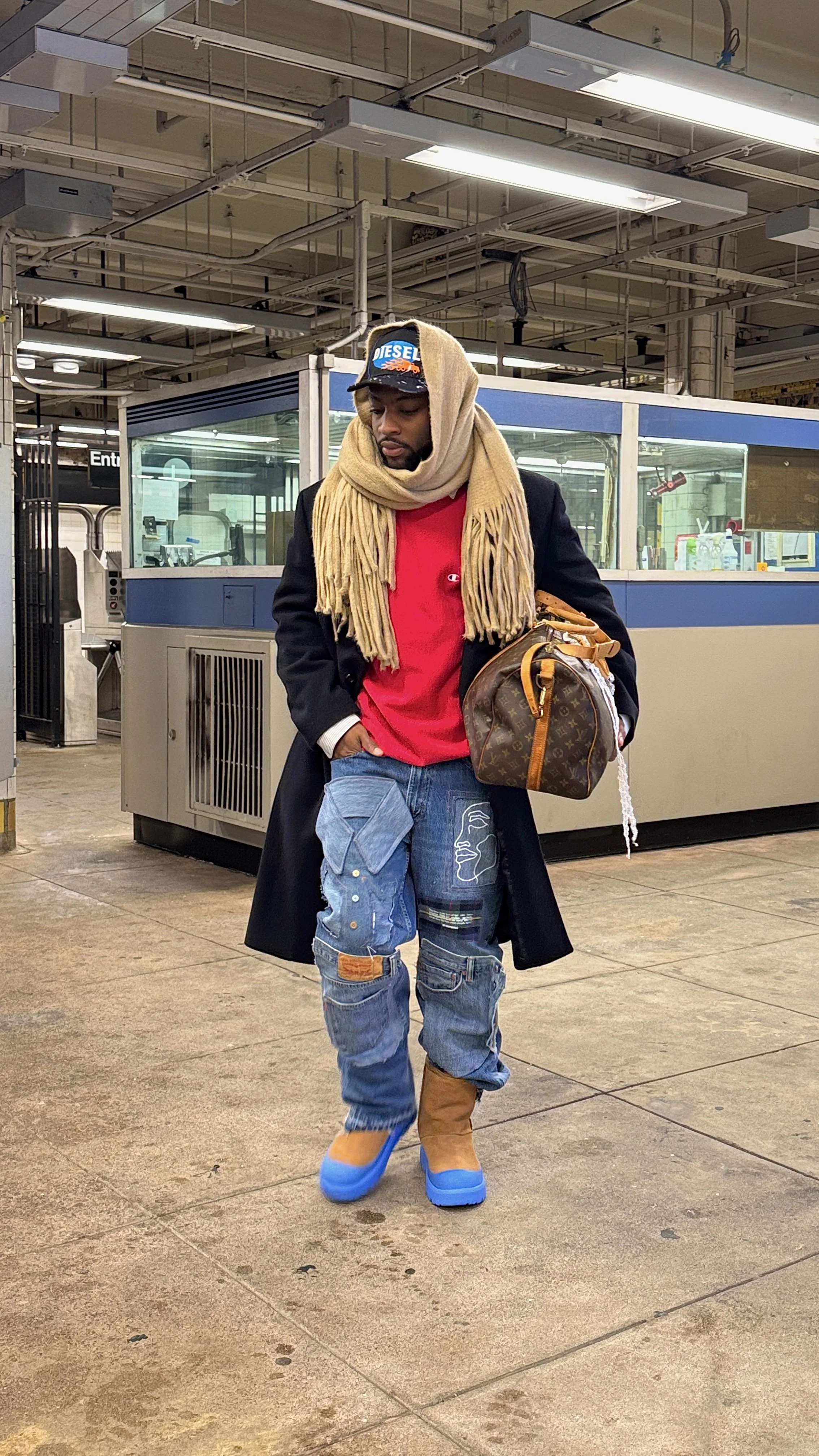
I create bespoke fashion pieces meant to be worn every day. I like to look at everyday clothing through a different lens and see what else it could be. Some people see my work as statement pieces for special occasions, but I think you should always find a way to elevate your outfit.
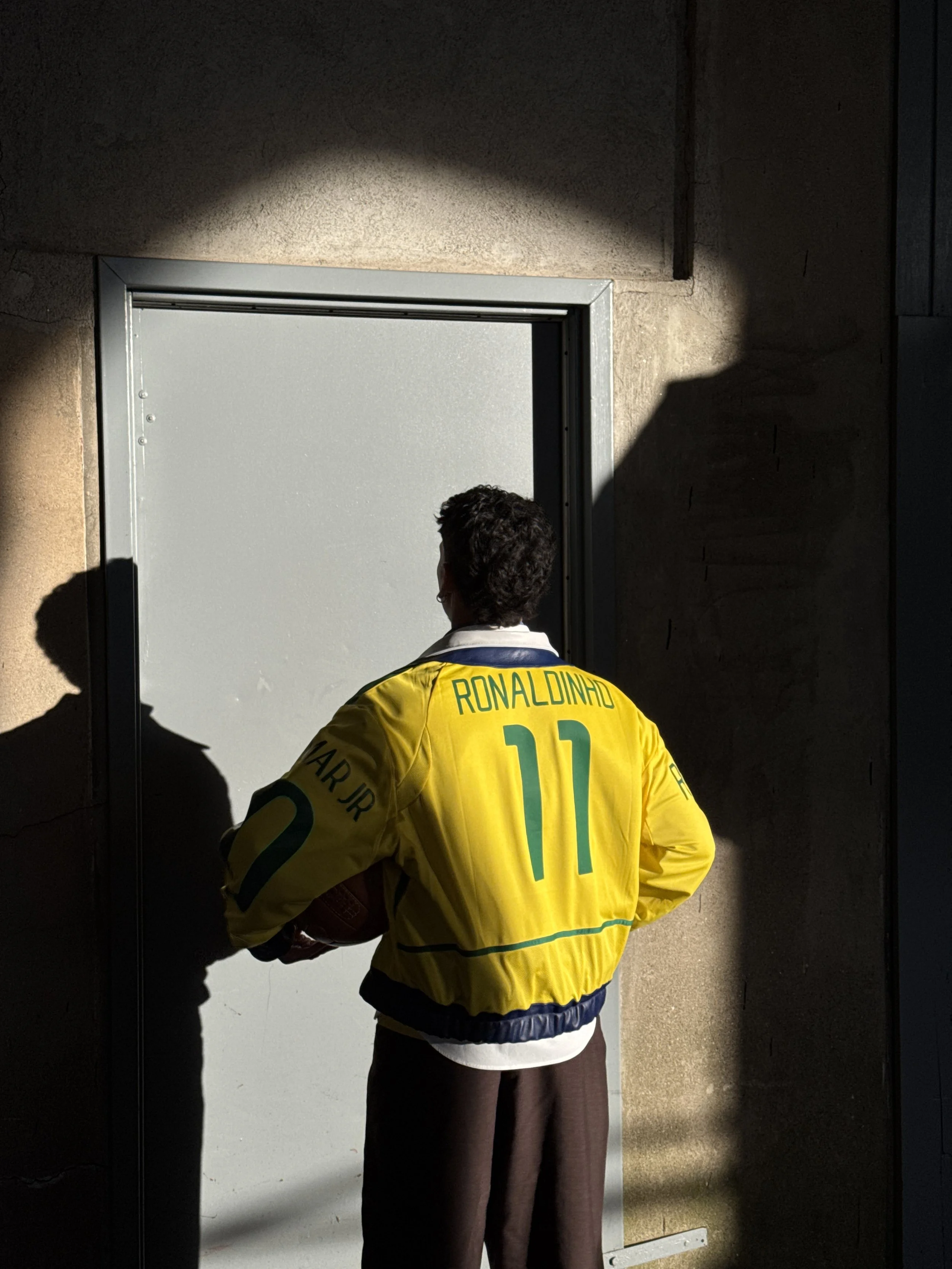
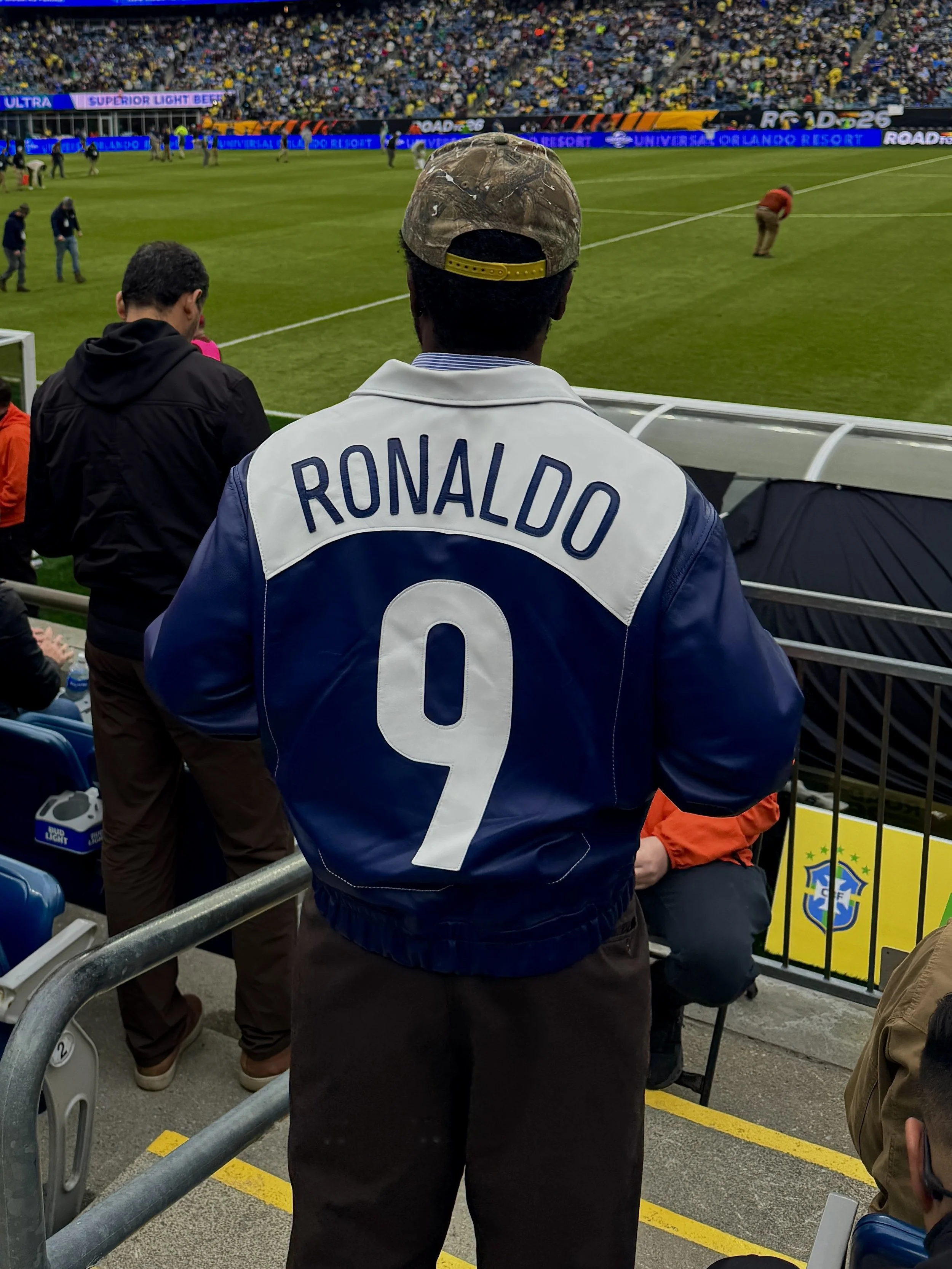
What was the moment you realized you wanted to start reworking and upcycling clothing, especially football kits?
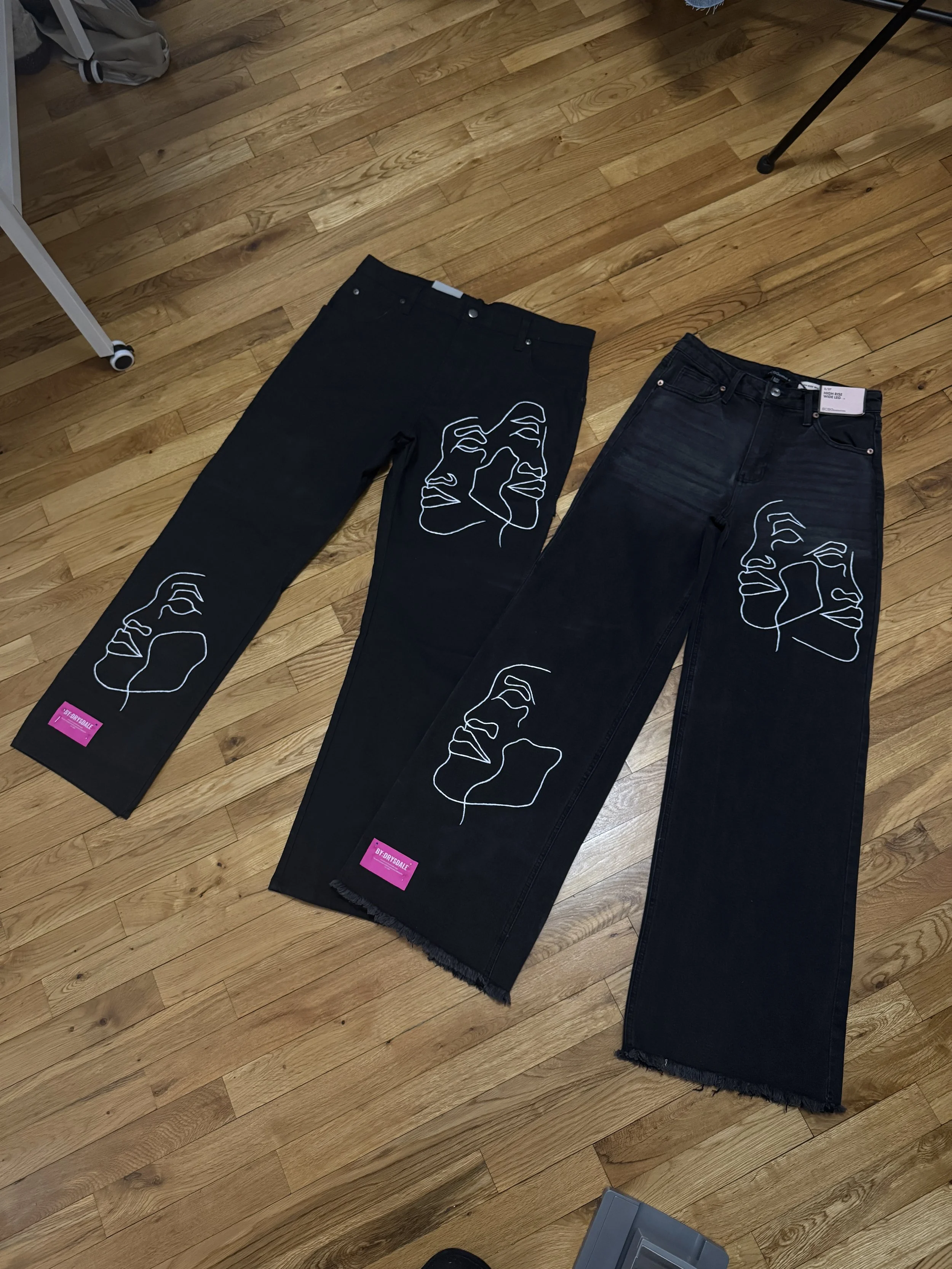
A few years ago, I looked at my closet and hated how boring everything felt — another plain pair of trousers, a lifeless shirt, a standard jacket. I didn’t know how to sew at the time, so I started by painting on old denim and shoes, and it took off with my friends and on social media.
As I started exploring the fashion industry, I became aware of the amount of textile waste, which pushed me further into creating something new out of something old. There will always be a sustainability aspect to my brand.
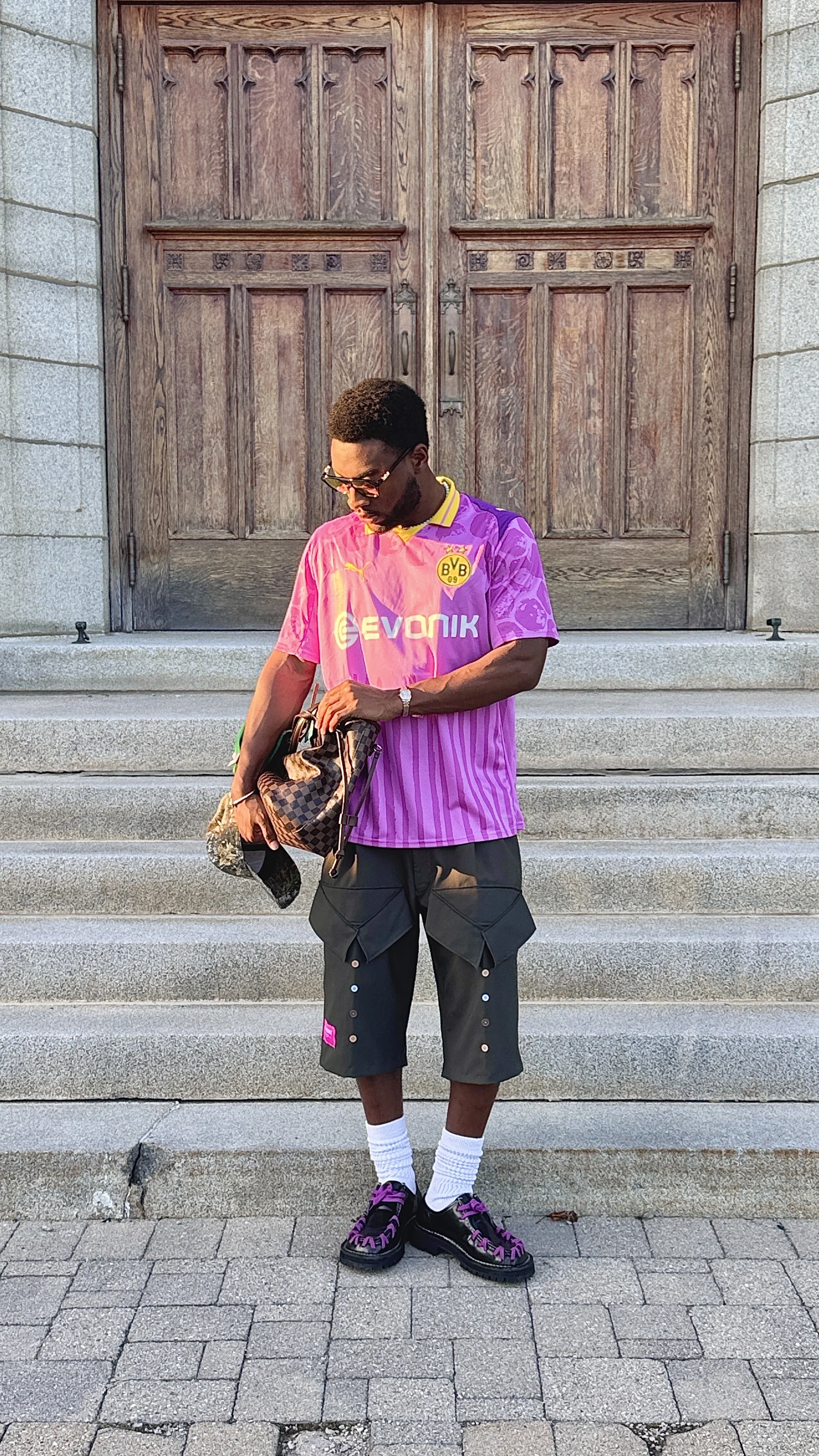
Football has always been a part of my life, so naturally I wanted to bring that into my work. I started adding Arsenal patches to pieces and styling with football shirts, which eventually got the attention of clubs like Borussia Dortmund. From there, it just kept evolving.
Football shirts already carry history. How do you approach transforming something that already means so much into something entirely new?
I try to embrace their history and bring a sense of nostalgia to what I create. A football shirt is a way for fans to represent their club — but I started asking myself, what if you didn’t have to reach for an actual jersey to do that?
That idea led me to explore different ways of recreating that feeling through other pieces — bags, denim, jackets. The goal is to take something familiar and rework it into something that still holds that meaning, just expressed differently.
What influences your designs outside of football?
I find inspiration in everyday life — objects, architecture, even the way light comes through a window. I once made a pair of jorts inspired by a window in my kitchen.
I also see a lot of incredible work through people watching and online, but I don’t actively search for inspiration. There’s already so much repetition, and I want to create ideas the world hasn’t seen before.
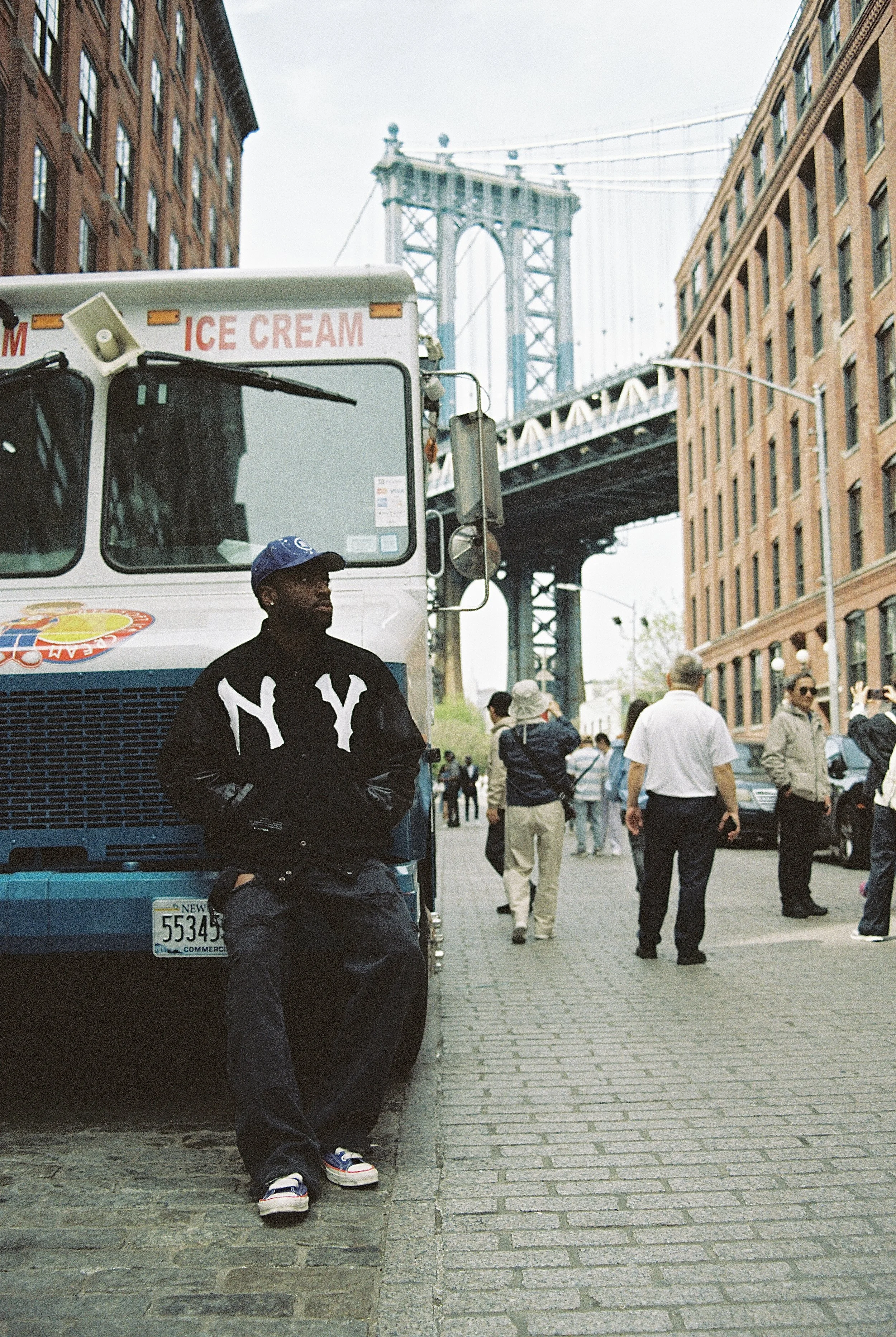
Is there a specific piece you’ve made that felt like a turning point for you creatively or personally?
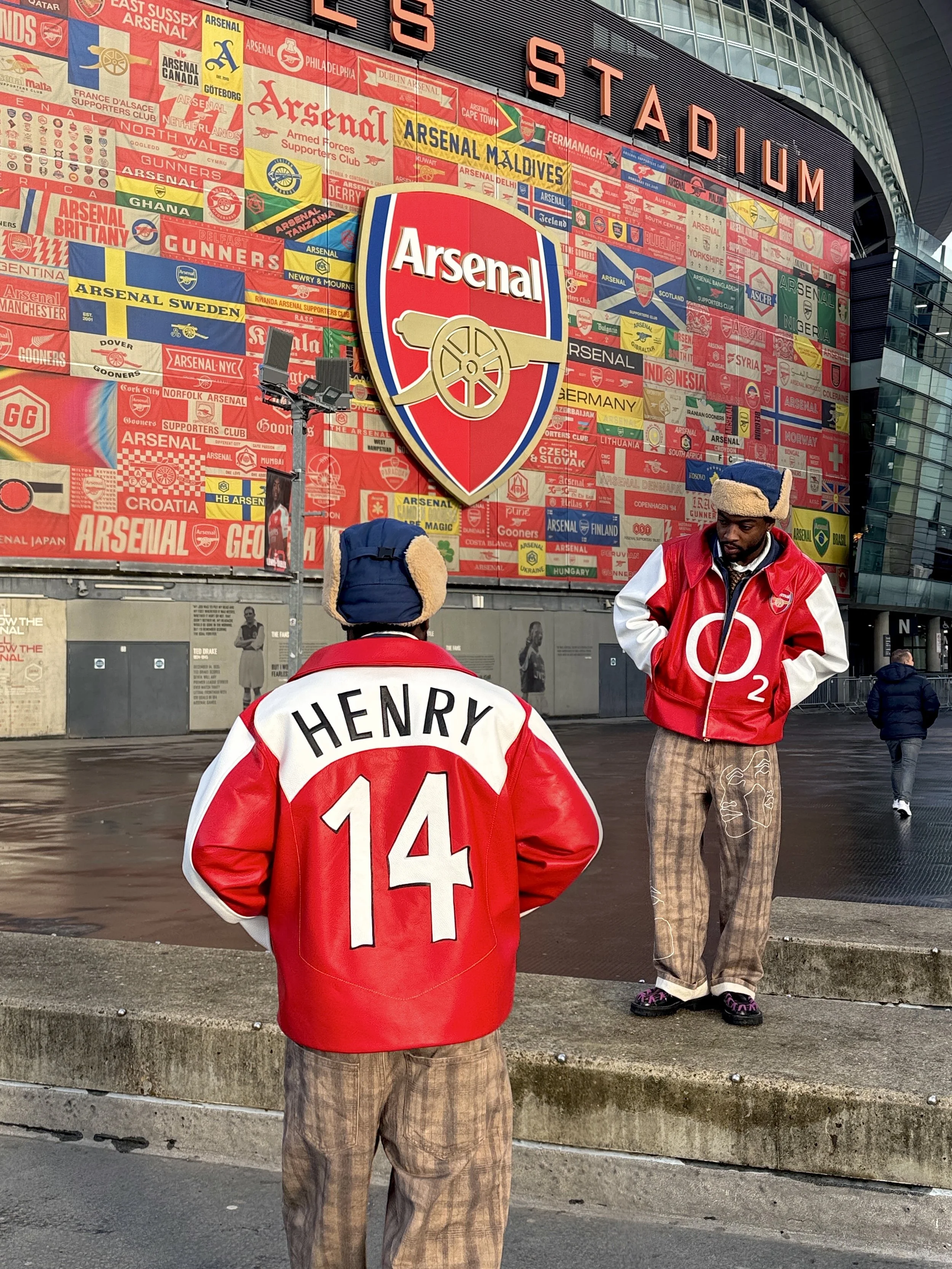
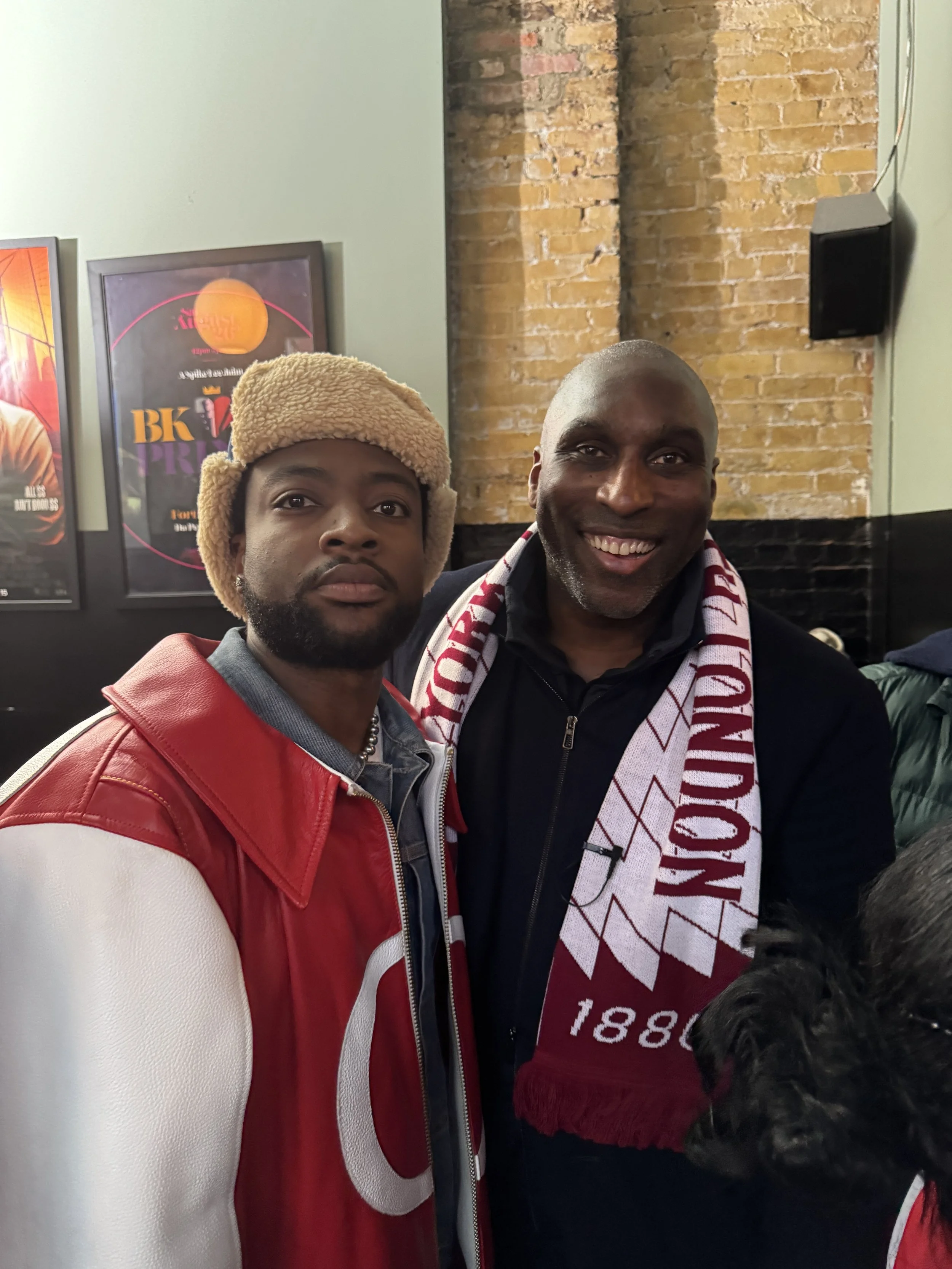
The Henry jacket was definitely a turning point for me. I’ve had pieces go viral before, but this one felt different because of the connection to Arsenal.
It brought more attention from the football community, which means a lot to me because it’s a space I’ve always been part of. I’d love to eventually work with brands like Nike and collaborate with players to create even more meaningful pieces.
You’re an Arsenal fan — how has football culture, and specifically Arsenal, shaped your work and identity as a designer?
I think footballers, even beyond the professionals, are some of the most stylish athletes there are. It also helps that we have a very stylish team.
I’m not sure if it’s shaped my identity as a designer directly, but working more with football shirts now, I feel like the designs speak for themselves. Especially with kits from the 90s and early 2000s — they naturally inspire you to create something special.
Sustainability is at the core of what you do. Do you see upcycling as the future of football fashion, or still more of a niche?
I think upcycling should be at the forefront of football fashion. There’s such a huge volume of kits and boots used every season, and you have to wonder what happens to all of it.
I’d love to work with clubs and players to create new pieces out of what already exists — even unsold collaborations or excess product. There’s so much potential to rework those materials into something new.
Thierry Henry has seen your work — what did that moment mean to you?
It was surreal. A friend of mine, Lyes, was in Qatar and had mentioned he could try to get Henry to sign the jacket, but I wanted to keep wearing it to matches, so I held onto it.
Instead, he showed Henry my Instagram — and then sent a video in our group chat. It started with the camera pointed at the floor, and when it panned up, it was Thierry Henry. When he said he loved the jacket, I think I levitated out of my bed.
Right now, what does your work say about where football x fashion is going next?
I’m not sure where it says football and fashion are going as a whole, but personally, I’m always trying to outdo myself.
I want to keep creating better pieces and pushing things forward in my own way. There are so many talented designers out there, and I hope to inspire the next generation to create and find their own voice.